Outdoor gates present unique security challenges that indoor locks never face. Rain, dust, temperature swings, and UV exposure quickly degrade standard hardware, leaving homeowners with corroded mechanisms and dead batteries. A weatherproof smart lock built specifically for outdoor use solves these problems while adding keyless convenience, remote access, and integration with home security systems. Whether securing a backyard gate, side yard entry, or perimeter fence, the right outdoor smart lock delivers durability and control. This guide walks through selecting, installing, and maintaining a weatherproof smart lock that’ll hold up to the elements year after year.
Table of Contents
ToggleKey Takeaways
- A weatherproof smart lock for outdoor gates eliminates traditional security vulnerabilities like lost keys and enables convenient keyless entry, remote access, and integration with home automation systems.
- Verify IP ratings (aim for IP65 or higher) to ensure the weatherproof smart lock withstands dust, water jets, and temperature extremes—IP65 suits most residential gates, while IP66+ handles harsh coastal or high-pressure environments.
- Choose between Wi-Fi, Bluetooth, Z-Wave, or Zigbee connectivity based on gate location and existing smart home systems; Wi-Fi offers direct remote access, while Bluetooth works within 30–40 feet and requires no hub.
- Proper installation at 36–48 inches from ground with careful pilot hole drilling prevents latch misalignment, the top cause of lock failure—always verify gate stile thickness meets the 1⅜”–1¾” requirement.
- Extend your weatherproof smart lock’s lifespan through quarterly gasket inspections, dry lubricant application twice yearly, and regular firmware updates to maintain weather resistance and security.
- Monitor battery life (expect 6–12 months per set) and check for connectivity issues at the gate’s network edge; outdoor gates near coverage limits benefit from Wi-Fi extenders or Bluetooth-only models.
Why Your Outdoor Gate Needs a Weatherproof Smart Lock
Traditional padlocks and keyed gate locks expose homeowners to several persistent headaches. Keys get lost, guests can’t access the yard when no one’s home, and contractors need separate codes or physical key handoffs. Standard smart locks designed for protected front doors fail quickly when exposed to direct weather, moisture infiltrates electronics, batteries drain faster in temperature extremes, and plastic housings crack under UV bombardment.
A purpose-built weatherproof smart lock addresses these vulnerabilities with sealed enclosures, corrosion-resistant materials, and battery systems engineered for wider temperature ranges. Homeowners gain keyless entry through PIN codes, smartphone apps, or biometric readers, eliminating the fumbling-for-keys routine while carrying groceries or pool supplies. Remote access lets users unlock gates for deliveries, service providers, or family members from anywhere with cell service.
Security improves through activity logs that timestamp every entry and exit. If a package disappears or unauthorized access occurs, the lock’s history provides clear records. Integration with broader smart home ecosystems allows gate locks to trigger cameras, lights, or alarm systems when opened, creating layered security that standalone mechanical locks can’t match.
Key Features to Look for in a Weatherproof Smart Lock
Not all “weatherproof” claims hold up under real-world conditions. Start by verifying the IP (Ingress Protection) rating, this two-digit code reveals exactly how much dust and water penetration the lock can handle. An IP65 rating provides dust-tight sealing and protection against water jets from any direction, suitable for gates with some overhead coverage. For fully exposed installations, target IP66 or higher, which withstands heavy seas or powerful water jets.
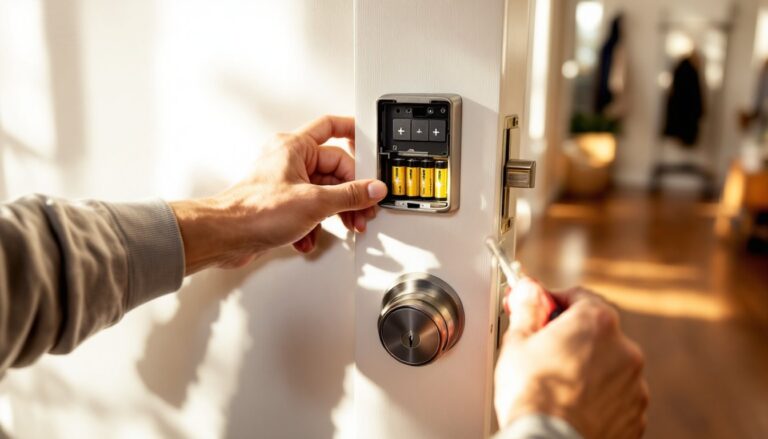
Battery life matters significantly for outdoor locks. Check whether the unit uses standard AA or CR123A batteries (easier to replace) versus proprietary rechargeable packs (fewer mid-winter battery runs, but requires periodic charging). Quality outdoor locks deliver 6–12 months of typical use per battery set. Some models include low-battery alerts sent to your phone or email.
Connectivity options shape daily usability. Wi-Fi-enabled locks connect directly to home networks, allowing remote access without additional hubs. Bluetooth-only models work within 30–40 feet, fine for locks near the house but limiting for perimeter gates. Z-Wave or Zigbee locks require a compatible smart hub but integrate smoothly with comprehensive home automation systems.
Construction materials separate bargain locks from long-term solutions. Look for stainless steel or zinc-alloy bodies with rubber gaskets at all seam points. Avoid locks with exposed screws on the exterior side, these create water intrusion points and security vulnerabilities.
Weather Resistance Ratings Explained
The IP rating system uses two numbers: the first indicates solid particle protection (dust), the second covers liquid ingress (water). For outdoor gate locks, the first digit should be 5 or 6 (dust protection or dust-tight), and the second digit should be 5 or higher (protection against water jets).
IP54: Protected against dust, splashing water from any direction. Minimum acceptable for covered gates.
IP65: Dust-tight, protected against water jets. Suitable for most residential outdoor gates.
IP66: Dust-tight, protected against powerful water jets. Handles pressure washers and heavy storms.
IP67: Dust-tight, protected against temporary immersion (up to 1 meter for 30 minutes). Overkill for gates but guarantees maximum weather protection.
Many manufacturers publishing independent reviews on platforms like Digital Trends and similar tech sites test these ratings under controlled conditions. Cross-reference manufacturer claims with third-party testing when possible.
Top Weatherproof Smart Locks for Outdoor Gates in 2026
The Yale Assure Lock 2 Outdoor leads in versatility with Matter protocol support, allowing integration across Apple HomeKit, Google Home, and Amazon Alexa ecosystems simultaneously. Its IP65 rating handles rain and dust, while the tamper-resistant cover over the battery compartment prevents unauthorized access. Battery life averages 8 months with moderate use.
For Z-Wave users, the Schlage Encode Plus offers robust construction with a zinc-alloy body and IP66 weather resistance. Built-in Wi-Fi eliminates hub requirements, and the lock includes anti-pick shielding inside the cylinder. The companion app provides detailed activity logs and supports up to 100 user codes, useful for rental properties or shared access situations.
The Lockly Secure Pro differentiates itself with a PIN Genie keypad that randomizes number positions with each use, preventing code discovery through wear patterns or shoulder surfing. Its IP67 rating makes it the most weather-resistant option here, suitable for coastal installations or gates facing irrigation overspray. The offline access codes function even during Wi-Fi outages.
Budget-conscious homeowners should consider the Wyze Lock Bolt, which sacrifices Wi-Fi connectivity for Bluetooth-only operation but delivers solid IP65 protection at roughly half the cost of premium models. It works well for gates within Bluetooth range of the main house, and the companion app is straightforward.
Comprehensive roundups from experts at Tom’s Guide evaluate installation complexity, security features, and real-world weather performance across numerous models. Testing conditions include temperature cycling, salt spray exposure, and water jet simulations that reveal which locks truly withstand outdoor conditions.
Installation Guide: Setting Up Your Outdoor Gate Smart Lock
Tools needed: Drill with bits appropriate for your gate material (1/8″ and 1/4″ for wood, carbide-tipped for metal), screwdriver set (Phillips and flathead), tape measure, pencil, level, and hole saw (if deadbolt installation required). Wear safety goggles when drilling, metal gates can produce sharp chips.
Step 1: Measure the gate’s stile (vertical frame member) thickness. Most smart locks require 1-3/8″ to 1-3/4″ thickness. Thinner gates may need reinforcement plates or alternative mounting methods.
Step 2: Position the lock 36–48 inches from the ground, the standard comfortable reach height. Mark mounting hole locations using the manufacturer’s template. Check with a level to ensure the lock body sits plumb: angled installation causes latch misalignment.
Step 3: Drill pilot holes for mounting screws. For wooden gates, use the next smaller bit size than your screws to prevent splitting. Metal gates require pre-drilling with appropriately sized bits, trying to drive screws directly strips threads and damages the lock body.
Step 4: If installing a deadbolt-style lock, use the hole saw to cut the cylinder opening. Clamp a scrap board on the opposite side to prevent tear-out as the bit exits. Clean all burrs and splinters before inserting the lock body.
Step 5: Mount the exterior assembly first, feeding the connecting cable or cylinder tailpiece through the gate. Secure with provided bolts, don’t overtighten, which can crack plastic components or warp metal plates.
Step 6: Attach the interior assembly, aligning it with the exterior unit. Hand-tighten all fasteners before final tightening with a screwdriver to prevent cross-threading.
Step 7: Install batteries and follow the manufacturer’s pairing sequence to connect the lock to your smartphone or home automation hub. Most require holding a button combination while the app searches for the device.
Step 8: Test the latch operation with the gate open to verify smooth extension and retraction. Adjust the strike plate position on the gate post if the latch doesn’t engage cleanly, misalignment is the top cause of “lock won’t secure” complaints.
Permit note: Simple lock replacement typically doesn’t require permits, but verify local codes if modifying a gate that’s part of a pool barrier fence. Many jurisdictions enforce specific latch heights and release mechanisms for pool enclosures under the International Residential Code (IRC) Section AG105.
Maintenance Tips to Extend Your Lock’s Lifespan
Outdoor smart locks need periodic maintenance to deliver reliable long-term performance. Every three months, inspect the rubber gaskets around the battery compartment and where the lock body meets the gate. If gaskets show cracking or compression set (permanent flattening), replace them before moisture infiltrates electronics. Most manufacturers sell gasket replacement kits for $8–$15.
Clean the keypad or touchscreen with a slightly damp microfiber cloth, never spray cleaners directly on the lock. Dirt buildup creates false button presses, and harsh chemicals degrade weatherproof coatings. For stubborn grime, use isopropyl alcohol on the cloth.
Lubricate mechanical components twice yearly with dry graphite or PTFE-based lubricant. Spray a small amount into the keyway and on the latch mechanism, then cycle the lock several times to distribute lubricant. Avoid oil-based products that attract dust and gum up in temperature extremes.
If the lock uses removable batteries, take them out during extended absences (vacations, seasonal properties). Battery leakage destroys electronics, and the risk increases when devices sit unused in temperature swings. Store batteries in a cool, dry location.
Firmware updates improve security and fix bugs. Enable automatic updates if your lock supports them, or check the manufacturer’s app monthly for available updates. Security experts on platforms like CNET regularly report vulnerabilities in older firmware versions that updates address.
Check the strike plate alignment quarterly. Wood gates shift with seasonal moisture changes: metal gates can sag on aging hinges. If the latch begins catching on the strike plate’s edge rather than sliding smoothly into the opening, loosen the strike plate screws and adjust its position up, down, or laterally as needed.
Common Troubleshooting Issues and Solutions
Lock won’t connect to Wi-Fi: Outdoor gates often sit at the edge of home network coverage. Test signal strength with a smartphone at the lock’s location, if below two bars, install a Wi-Fi extender rated for outdoor use or switch to a Bluetooth/Z-Wave model that doesn’t depend on direct router connection.
Latch won’t extend or retracts slowly: Dirt or corrosion in the mechanism is the usual culprit. Remove the lock from the gate, disassemble per manufacturer instructions, and clean all moving parts with compressed air and a soft brush. Relubricate with dry graphite before reassembling.
Keypad unresponsive or registers wrong numbers: Moisture beneath the keypad membrane causes this. Remove batteries, gently remove the keypad cover if possible, and allow 48 hours of drying time in a warm, dry location. If condensation recurs, the gasket seal has failed and needs replacement.
Batteries drain faster than expected: Extreme cold (below 20°F) and excessive unlock attempts (multiple failed codes) are common causes. Lithium batteries outperform alkaline in cold weather. If the lock attempts to connect to a network repeatedly due to weak signal, it drains batteries rapidly, address the connectivity issue first.
False “door open” alerts: The sensor detecting latch position may be misaligned. Check that the sensor magnet or mechanical switch aligns properly when the gate closes. Adjust the strike plate or sensor mounting position to restore proper contact.
Lock frozen shut: In freezing rain conditions, moisture can ice over the keypad or freeze the latch. Apply de-icer spray (not WD-40) to the affected area. For recurring freeze issues, install a small roof or awning above the lock to shed precipitation.